Medical Treatment in India for Nigerian Patients: A Complete Guide (2026)
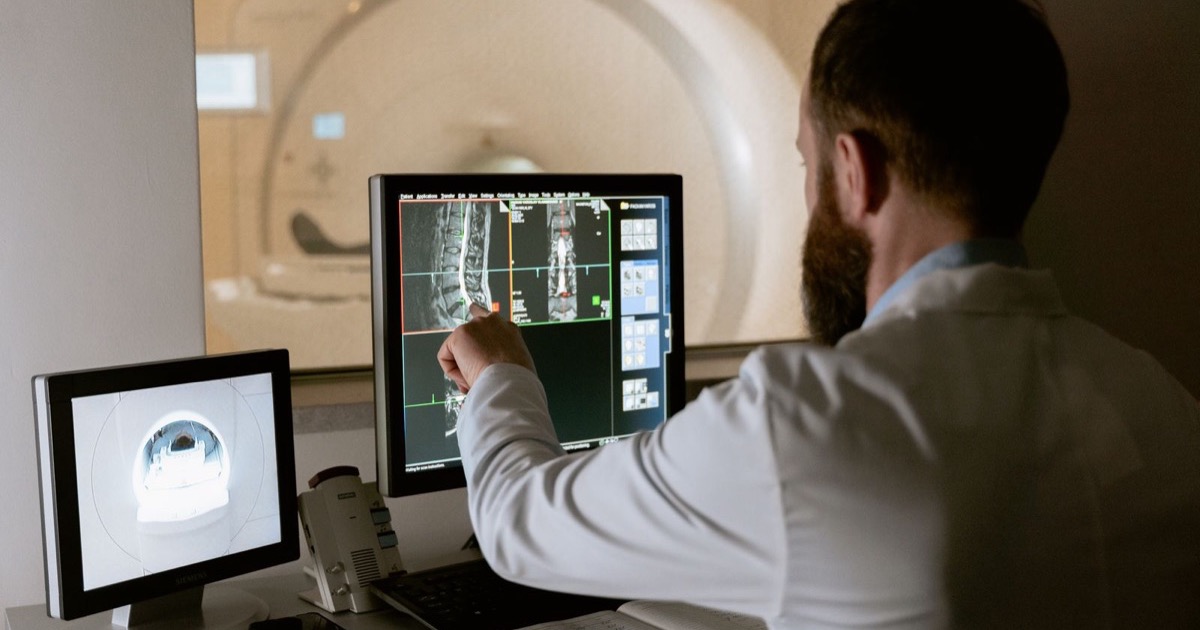
Nigeria sends 200,000 patients to India annually. Cardiac, cancer, IVF and orthopaedic treatments -- visa guide and planning support 2026.
Medical Treatment in India for Nigerian Patients: A Complete Guide (2026)
Nigeria is one of India's largest African source markets for medical treatment, with approximately 200,000 Nigerian patients travelling to India for specialist care each year. Indian hospitals offer treatment across cardiac surgery, cancer care, IVF, orthopaedics, and more, with established international patient programmes and medical visa support. Nigerian patients may apply for India's Indian e-Medical Visa, subject to current official rules.
Planning treatment in India from Nigeria? Share your medical reports with the Livance care team. We help with hospital matching, report review, and travel coordination.
Why Nigerian Patients Choose India for Medical Treatment
India has developed one of the world's largest international patient sectors, receiving over 2.6 million patients per year from across the globe. Nigeria consistently ranks among the leading African source countries for India-bound medical travel.
Several factors are commonly cited by Nigerian patients and their families when choosing India for specialist treatment.
Specialist availability and treatment range. Indian hospitals cover a broad range of specialties including cardiac surgery, oncology, IVF and fertility treatment, orthopaedics, neurosurgery, organ transplant, and bone marrow transplant. For conditions that are difficult to treat or where specialist access is limited in Nigeria, India often offers multiple options at tertiary-level hospitals.
Established international patient infrastructure. Major Indian hospital groups with established international patient programmes include Apollo, Fortis, Medanta, Manipal, and HCG. These groups operate dedicated international patient units with coordinators, visa documentation assistance, and defined processes for patients arriving from Africa. Indian hospital groups have Africa-facing outreach and partnerships in selected locations.
Medical visa access. Nationals of Nigeria are eligible to apply for India's e-Medical Visa, subject to current rules. The application is completed online, with no embassy visit required in most cases. Processing is typically 2 to 5 working days.
Treatment cost context. Treatment cost in India depends on diagnosis, procedure type, hospital, surgeon, room type, stay duration, and specialist review. A hospital-specific cost estimate after medical report review provides the most accurate basis for planning. Livance does not publish fixed cost estimates.
Final treatment suitability and hospital selection depend on specialist medical evaluation of each patient's individual case.
Treatment Categories Nigerian Patients Commonly Seek
Nigerian patients travel to India for a range of medical conditions. The following categories represent the most frequently sought areas, based on sector reporting on Africa-India medical travel flows.
Cardiac surgery and intervention
Cardiac surgery in India covers coronary artery bypass grafting (CABG), valve replacement and repair, correction of congenital heart defects, and interventional cardiology procedures including stenting and angioplasty. Tertiary hospitals with dedicated cardiac surgery programmes and experienced surgical teams serve a significant number of international patients, including those from Nigeria.
Treatment suitability and the appropriate surgical approach depend on individual evaluation by a cardiac surgeon after review of the patient's reports, imaging, and current clinical status. Final treatment planning, including the choice of procedure, is determined by the treating specialist.
Cancer treatment and oncology
Cancer treatment in India is available across oncology subspecialties including medical oncology, surgical oncology, radiation oncology, and paediatric oncology. Major cancer hospitals in India treat a wide range of solid tumours, haematological malignancies, and complex cancer presentations.
Treatment planning at major cancer centres may align with recognised oncology guidelines including NCCN, ESMO, or ASCO. Protocol use varies by facility, specialty, and case. Treatment suitability, the specific treatment plan, and expected duration all depend on the patient's diagnosis, cancer stage, molecular profile, and specialist review. Nigerian patients should share full pathology reports and imaging before travel to allow the treating hospital to assess the case.
IVF and fertility treatment
IVF treatment in India is a growing area for Nigerian patients seeking fertility care. India's fertility sector includes hospitals and clinics with established IVF, ICSI, egg donation, and surrogacy (where applicable under current Indian law) programmes. Fertility treatment outcomes depend on individual factors including patient age, diagnosis, and specialist evaluation.
Treatment eligibility and the appropriate fertility protocol are confirmed after specialist review of each patient's case. Nigerian patients should share relevant fertility investigation reports before travel.
Orthopaedic surgery
Orthopaedic procedures commonly sought by Nigerian patients in India include total knee replacement, total hip replacement, spinal surgery, and sports injury procedures. Indian orthopaedic hospitals serve a significant volume of international patients and operate established international patient pathways.
The right hospital, implant type, and surgical approach depend on the specific diagnosis, imaging findings, and individual evaluation by an orthopaedic specialist. A hospital quote and specialist review of imaging are needed before confirming plans.
How to Get an Indian Medical Visa as a Nigerian Patient
Nationals of Kenya and Nigeria are eligible to apply for India's e-Medical Visa, subject to current rules. The application is completed entirely online through the official Indian visa portal. No visit to an Indian embassy or consulate is required in most cases.
Required documentation typically includes:
- A valid Nigerian passport
- A hospital invitation letter from a recognised Indian hospital (Livance can coordinate the hospital invitation letter as part of treatment planning)
- Supporting medical documents relevant to the treatment being sought
- A recent photograph meeting the portal's specifications
Processing is typically 2 to 5 working days under standard conditions. Applying at least two weeks before planned travel is recommended to allow time for any additional documentation requests.
Visa duration and entry. The Indian e-Medical Visa typically allows a stay of up to 60 days per visit with multiple-entry provisions in most cases. Extended stays for complex treatment may require a letter from the treating hospital confirming the expected duration.
Attendant visas. Under standard rules, up to two attendants may accompany a patient on linked Medical Attendant Visas. Attendant visas are typically co-terminus with the patient's Medical Visa.
e-Arrival Card. All foreign nationals entering India, including Nigerian nationals, must submit India's digital e-Arrival Card before arrival. The e-Arrival Card has been mandatory for all foreign nationals since 1 October 2025, including Overseas Citizen of India (OCI) cardholders. Paper disembarkation cards were permanently discontinued from 1 April 2026. The e-Arrival Card must be submitted online up to 72 hours before the flight via indianvisaonline.gov.in/earrival or the Su-Swagatam mobile app. The service is free. Indian passport holders are exempt.
Nigerian patients may apply for India's e-Medical Visa, subject to current official rules. Confirm current requirements at the Indian visa portal before travel.
For full visa and travel preparation support, see the Livance Indian e-Medical Visa page.
Planning Your Medical Journey from Nigeria to India
A well-structured patient journey reduces delays and increases the likelihood of a smooth treatment experience. The following sequence reflects the standard process Livance coordinates for Nigerian patients.
Step 1: Gather and share medical reports. The starting point is sharing relevant medical records with the Livance care team. Reports should include recent investigation results, imaging (CT, MRI, PET), pathology reports, surgical notes where applicable, and a summary of current medications and previous treatments.
Step 2: Specialist review and hospital matching. The Livance care team reviews the submitted reports and coordinates with appropriate hospitals and specialists based on the diagnosis, required specialty, hospital preferences, and budget framework. This review determines which hospitals are well suited to the case.
Step 3: Treatment plan and cost estimate. After the treating hospital's specialist team reviews the reports, a treatment plan and hospital cost estimate are prepared. This is the most accurate basis for financial planning, as costs depend on diagnosis, procedure, room type, expected stay, and specialist review.
Step 4: Visa and travel preparation. Once the hospital and treatment plan are confirmed, Livance coordinates the hospital invitation letter needed for the Indian e-Medical Visa application. Travel and accommodation logistics are confirmed based on the hospital's location and expected treatment duration.
Step 5: Hospital admission and treatment. On arrival in India, the patient is admitted to the selected hospital and treated by the confirmed specialist team. The international patient unit at the hospital provides coordination support during the stay.
Step 6: Discharge and follow-up planning. At discharge, the treating hospital provides a summary with follow-up instructions. Livance coordinates post-treatment support where applicable.
Nigerian patients travelling from Lagos, Abuja, Port Harcourt, or other cities typically fly to Delhi, Mumbai, or Chennai, depending on the hospital selected. Flight connections from Nigeria to India are available via major hub airports. Travel logistics, including accommodation near the treating hospital, can be coordinated as part of the Livance service.
How Livance Helps Nigerian Patients
Livance is an independent medical travel coordination service, not a hospital. Livance may help Nigerian patients planning treatment in India with:
- Medical report review and initial case assessment before hospital selection
- Hospital and specialist matching based on diagnosis, treatment type, available consultants, and patient preferences
- Coordination of the hospital invitation letter for the Indian Medical Visa application
- Travel and accommodation support planning based on the hospital location and treatment duration
- Communication support between the patient and the hospital's international patient team
- Post-treatment coordination support where applicable
All support is subject to case specifics and confirmed availability from the Livance care team. Medical advice, diagnosis, treatment recommendations, and clinical care are provided by qualified doctors and hospitals, not by Livance. Treatment suitability and outcomes depend on individual medical evaluation.
Ready to start planning? Share your medical reports with the Livance care team to plan your treatment in India.
Frequently Asked Questions
How many Nigerian patients travel to India for treatment each year?
Approximately 200,000 Nigerian patients travel to India for medical treatment annually, making Nigeria one of India's largest African source markets. India's international patient sector receives over 2.6 million patients per year across all source countries.
What treatments do Nigerian patients typically seek in India?
Nigerian patients commonly seek cardiac surgery (CABG, valve replacement), cancer treatment (chemotherapy, radiation, surgical oncology), IVF and fertility treatment, and orthopaedic procedures including joint replacement and spine surgery. Neurosurgery and kidney transplant are also among the procedures sought.
How do Nigerian patients apply for an Indian medical visa?
Nigerian patients may apply for an Indian e-Medical Visa for planned medical treatment. The application requires a hospital invitation letter from a recognised Indian hospital, valid passport, and supporting medical documents. Processing is typically 2 to 5 working days. Livance can coordinate the hospital invitation letter as part of treatment planning.
How much does medical treatment in India cost for Nigerian patients?
Treatment costs depend on diagnosis, procedure type, hospital, surgeon, room type, stay duration, and specialist review. A hospital-specific cost estimate after medical report review provides the most accurate basis for planning. Contact Livance to request cost guidance after submitting reports.
How long does an Indian medical visa allow a Nigerian patient to stay?
The Indian e-Medical Visa typically allows a stay of up to 60 days per visit with multiple-entry provisions in most cases. Extended stays for complex treatment may require a letter from the treating hospital confirming the expected duration.
Medical Disclaimer: The information on this page is for general informational purposes only and does not constitute medical advice. Treatment suitability, costs, and outcomes depend on individual diagnosis and specialist review. Visa rules, hospital programmes, accreditation status, and service availability can change. Patients should verify current information with the relevant hospitals, official Indian government portals, and qualified medical professionals before making any treatment or travel decisions. Consult a qualified medical professional before making any health decision.
Last updated: October 2026
Ready to Start Your Medical Journey?
Get personalised treatment recommendations and cost estimates from our expert team. Contact us today for a free consultation.
Get Started