Medical Treatment in India for South African Patients: Telangana MoU, Hyderabad Hospitals, and a 2026 Planning Guide
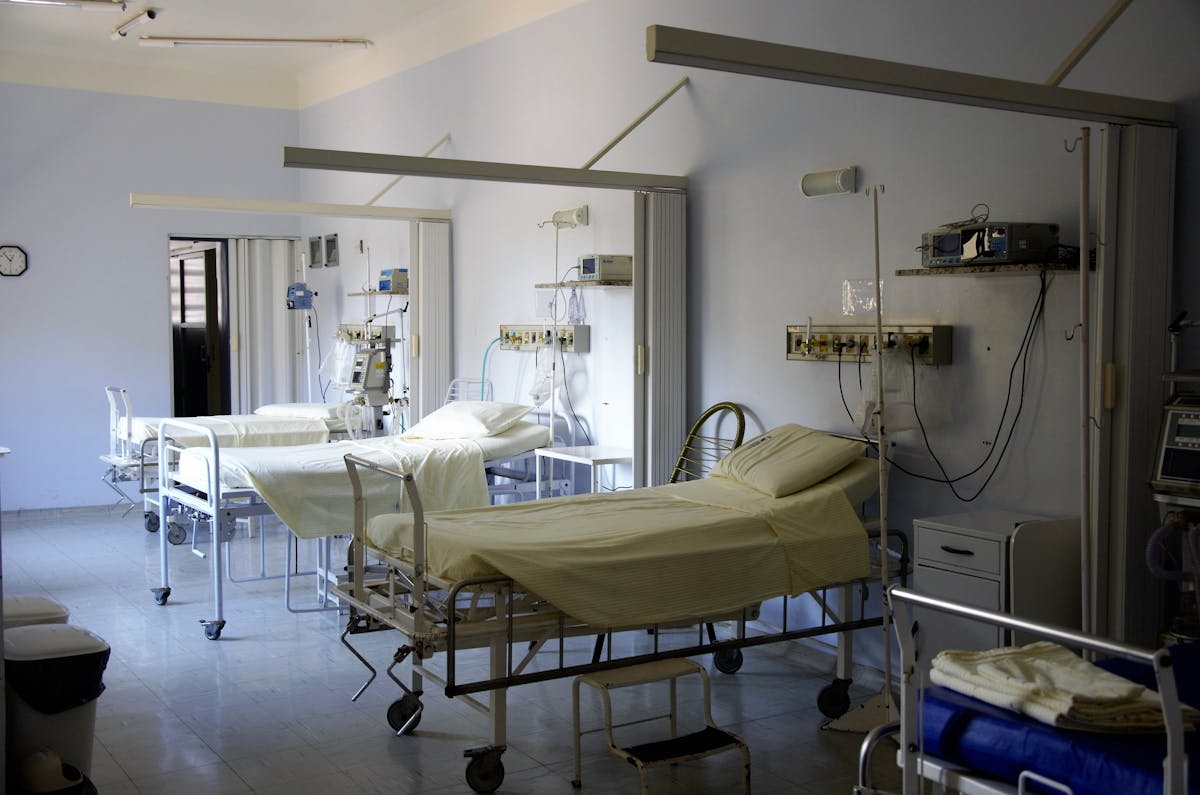
The Telangana-South Africa medical tourism MoU, Hyderabad hospitals, e-medical visa process, and a planning guide for South African patients researching treatment in India.
On 4 June 2026, the Telangana state government in India signed a bilateral memorandum of understanding (MoU) with a South African delegation focused on medical tourism. The MoU targets up to 15,000 South African medical tourists per year by 2028 and names Hyderabad hospitals as the primary receiving facilities under the partnership. For South African patients (and the family members researching on their behalf) who have been weighing whether India is a credible option for specialist treatment, the MoU is more than a news headline. It is a state-level commitment that maps an existing medical-tourism corridor into formal government scaffolding, with named cities, named hospital tiers, and a stated annual patient-volume target.
This guide is written for the South African patient at the planning stage. It explains the MoU in plain language, maps it to the practical patient journey, walks through the India e-Medical Visa and the e-Arrival Card requirement, and answers the questions South African patients most commonly ask before they book travel. It does not promote any specific hospital, doctor, or insurance product. It does not invent cost figures or treatment outcome statistics. The aim is to give a researching patient the structured information they need so that they can have an informed conversation with their treating doctor in South Africa, with their medical scheme, and with a treating specialist in India.
Share your medical reports with Livance for an initial specialist opinion and a personalised cost estimate for your treatment in India. Talk to our care team.
Medical disclaimer: This page is general information, not medical advice. Treatment suitability, hospital allocation, costs, and visa eligibility depend on individual diagnosis, specialist review, and current Indian regulations. Final treatment decisions should be made with a qualified medical professional.
Why this matters for South African patients in 2026
India has been a destination for international patients from across Africa for many years, particularly for cancer care, cardiac surgery, transplant procedures, and complex paediatric cases. South African patients have historically routed through generic patient-facilitator networks rather than a dedicated corridor. The June 2026 MoU changes that framing.
The Telangana to South Africa bilateral MoU signed 2026-06-04, in plain language
The MoU is a state-level agreement between the Telangana state government and a South African delegation. It identifies medical tourism as a focus area, names Hyderabad's hospital ecosystem as the primary receiving facility tier under the partnership, and references workforce exchange, hospital referral protocols, and patient mobility. Multiple Indian publications (medicalbuyer.co.in, travelandtourworld.com, newkerala.com) reported the MoU within the week of signing. The publicly stated patient-volume target is up to 15,000 South African medical tourists per year by 2028.
What the MoU does and does not commit to
What the MoU does, in practical terms: it elevates South Africa to a named priority corridor for the Telangana state's medical-tourism strategy, it puts Hyderabad's hospital sector in front of South African patients with formal endorsement, and it implies coordination between Indian and South African healthcare actors at a level above purely commercial agreements.
What the MoU does not do: it does not designate a closed list of partner hospitals; it does not guarantee any individual patient routing or hospital allocation; it does not change the underlying e-Medical Visa process for South African citizens; and it does not change the clinical decision-making that determines whether India is the right destination for any specific case. The patient pathway still runs through specialist review of the patient's reports, hospital selection appropriate to the diagnosis, the e-Medical Visa application, and the e-Arrival Card submission.
Why South African patients are researching India treatment more in 2026
Several factors are bringing South African patients into the India medical-travel conversation:
- The MoU itself signals a credibility step. State-level partnerships are stronger trust signals than commercial advertising.
- India has built deep specialist capacity in oncology, cardiac surgery, liver transplant, bone marrow transplant, and fertility treatment. Several of these procedures are time-sensitive, and waiting times in some destinations affect when a patient can be treated.
- India's tertiary hospitals operate in English, which can remove a barrier for South African patients who would prefer not to navigate a non-English clinical environment.
- The advanced-therapy landscape in India continues to expand. NexCAR19, India's domestically produced CAR-T cell therapy, has come online, and proton beam radiation availability has expanded. These are concrete options for specific cancer cohorts, subject to specialist review.
The combination is making India a more often-considered destination for South African patients than it would have been three years ago.
Hyderabad as the primary receiving hub under the Telangana MoU
Why Hyderabad was named under the partnership
Hyderabad is the capital of Telangana and one of India's major medical hubs, with a concentration of multi-specialty tertiary hospitals, the GENOME Valley life-sciences cluster, and established international patient services. Naming Hyderabad as the primary receiving city under the MoU is consistent with the state's broader healthcare and life-sciences strategy.
Hyderabad's tertiary hospital ecosystem at a high level
Hyderabad hosts several large multi-specialty hospital groups with international patient services desks, oncology centres including options for advanced therapies, cardiac surgery programmes, transplant centres, paediatric specialty units, and orthopaedic facilities. The MoU does not publish an enumerated list of "MoU partner hospitals" and the exact hospital allocation for any individual patient depends on diagnosis, the treating specialist's recommendation, and hospital availability rather than on a fixed MoU roster. Hospitals named in Livance's broader directory that have a Hyderabad presence include groups such as Apollo and KIMS Hospitals; patients are advised to verify a hospital's current accreditation status directly with the hospital before committing to treatment. For the full hospital list, see the Livance trusted hospitals directory.
Other Indian cities South African patients also research
While Hyderabad is the named receiving city under the MoU, the broader Indian healthcare ecosystem extends across Delhi NCR (multi-specialty hospital networks, transplant and oncology depth), Mumbai (oncology depth including paediatric oncology, cardiac surgery, and transplant), Chennai (cardiac surgery, oncology, transplant), Bangalore (oncology, cardiac, paediatric), and Kolkata (haematology and bone marrow transplant, oncology). For specific specialist combinations, the optimal city for a given patient may not be Hyderabad. The treating specialist's opinion after report review determines which city makes the most clinical sense for an individual case.
Treatments South African patients commonly travel to India for
The most-researched categories among South African patients reflect both the procedure depth available in India and the specialties where the corridor offers a meaningful difference in waiting time or specialist access compared with local private care.
Cancer treatment in India
Cancer care in India operates across a wide spectrum: surgical oncology, medical oncology and chemotherapy, radiation oncology including advanced modalities such as proton beam therapy, CAR-T cell therapy (where clinically suitable, including India's domestically produced NexCAR19), and multi-disciplinary tumour board review at selected centres. Treatment plan and hospital selection depend on the cancer type, stage, prior treatment history, and specialist review. For a category-level overview, see oncology in India.
Cardiac surgery and heart bypass
Cardiac surgery is one of the largest specialty volumes in Indian tertiary hospitals, including heart bypass (CABG), valve replacement and repair, paediatric cardiac surgery, and structural heart procedures. India's cardiac surgery sector has long served international patients from Africa and the Middle East. See cardiology in India for related options.
Liver transplant
Liver transplant is a high-acuity specialty served by named transplant centres in India, with both living donor and cadaveric (deceased donor) options depending on hospital protocol, patient eligibility, and regulatory approvals under the Transplantation of Human Organs and Tissues Act (THOTA). For a treatment-level overview, see liver transplant in India and the broader transplant treatment in India category.
Orthopaedic joint replacement
Total knee replacement, total hip replacement, complex revision surgery, and specialised spine and arthroscopic procedures are routinely performed at Indian tertiary hospitals. Implant brands used in Indian hospitals can include products carrying international certification, with specific brand and certification details confirmed at the hospital level for each case.
IVF and fertility treatment
IVF, donor egg IVF, donor sperm IVF, ICSI, embryo freezing, and preimplantation genetic testing are available at selected Indian centres, subject to the Indian Assisted Reproductive Technology (Regulation) Act 2021. For more, see IVF in India.
Bone marrow transplant and haematology
Bone marrow transplant programmes operate across multiple Indian cities, including autologous, allogeneic, and haploidentical transplant pathways across paediatric and adult haematology. The corridor between Indian BMT programmes and patients from Africa has expanded in recent years.
When India travel may not be the recommended option
Not every patient is a candidate for India travel. Cases where India travel may not be recommended include acute and time-critical emergencies that cannot wait for international travel, late-stage disease where palliative care closer to home and family is the recommended pathway, patient fitness considerations that make long-haul travel medically inadvisable, and procedures where the patient's home country already offers a comparable specialist team and a reasonable timeline. The treating specialist's opinion after report review is the source of truth for any individual case.
Share your medical reports with Livance for an initial specialist opinion. Begin here.
The South Africa to India medical journey, step by step
The practical sequence below applies to most South African patients planning treatment in India.
-
Share medical reports for an initial specialist opinion. Livance helps coordinate report sharing with the relevant Indian specialist. The treating specialist's opinion will indicate the likely treatment plan, hospital category, and expected length of stay.
-
Receive hospital and specialist recommendations. Based on the specialist opinion, Livance can share suitable hospital options across Hyderabad and other Indian cities appropriate to your case.
-
Apply for the e-Medical Visa. South African citizens typically apply for an Indian e-Medical Visa through the Indian e-Visa portal, accompanied by the treating hospital's invitation or recommendation letter, the medical reports supporting the treatment plan, return travel tickets, accommodation booking confirmation, and proof of financial sufficiency. Up to 2 accompanying family members may apply for the e-Medical Attendant Visa.
-
Complete the e-Arrival Card before departure. The e-Arrival Card is a digital arrival declaration that all international patients arriving in India on an e-Medical Visa are required to complete online before flight departure. The card has been fully digital since March 2026.
-
Travel to India. Direct and one-stop flights from Johannesburg, Cape Town, and Durban to major Indian airports operate via Middle East hubs. The Johannesburg to Hyderabad routing typically involves a one-stop connection.
-
Arrive in India, complete pre-treatment assessment. On arrival, the hospital completes any additional diagnostics that the treating specialist has requested, finalises the treatment plan, and confirms the cost estimate.
-
Treatment, recovery, and follow-up plan. Treatment proceeds per the agreed plan, with ICU and recovery as required. Before discharge, the treating specialist provides a discharge summary, the medication and follow-up plan, and where applicable, a follow-up review window in India.
Throughout the journey, hospitals are required to report international admissions to the Foreigners Regional Registration Office (FRRO) under current Indian regulations. This is a hospital-level administrative process that does not require patient action beyond providing standard documentation.
India e-Medical Visa for South African citizens
The India e-Medical Visa is the standard visa category for international patients travelling to India for planned medical treatment. For Livance's hands-on support during this step, see India e-Medical Visa and travel support.
e-Medical Visa key features
- 3 entries allowed within the visa validity, useful for patients whose treatment plan involves return visits.
- 60 days of stay permitted from the date of first arrival.
- e-Medical Attendant Visa available for up to 2 accompanying family members.
- Electronic application through the official Indian e-Visa portal; processing timelines depend on the High Commission of India.
e-Arrival Card, digital submission since March 2026
Since March 2026, the Indian e-Arrival Card has been fully digital. All international patients on an e-Medical Visa or related category complete the e-Arrival Card online before flight departure. Paper forms are no longer accepted. The treating hospital and your patient coordinator can guide you through the e-Arrival Card submission as part of the standard intake checklist.
Documents commonly requested
The standard documentation pack for the e-Medical Visa typically includes:
- Invitation or recommendation letter from the treating hospital
- Medical reports supporting the treatment plan (diagnosis, prior treatment, current condition)
- Return travel tickets or confirmed itinerary
- Accommodation booking confirmation
- Proof of financial sufficiency
- Passport with sufficient validity
Specific documentation expectations depend on the High Commission of India's current guidance; check the latest guidance from the Indian visa portal before submission.
Hospital reporting requirement to FRRO
Indian hospitals are required under current regulations to report all international admissions to the FRRO. This is an administrative requirement on the hospital side; international patients do not need to take separate action beyond providing standard identification at admission.
Cost, insurance, and the practical funding conversation
Why a single cost figure is not credible
Cost depends on diagnosis, hospital, doctor, treatment complexity, ICU duration, complication risk profile, stay duration, and specialist review. No single number represents the cost of treatment in India credibly. A cost estimate is meaningful only when it is built on a specific treatment plan from a specific hospital after specialist review of the patient's reports. Headline ranges in media coverage can be useful as a rough orientation but are not a reliable planning input. For a rough orientation, you can also use the Livance cost calculator.
South African medical scheme considerations
Some South African private medical schemes include overseas treatment provisions for specific procedures, often subject to pre-authorisation in writing and a recognised hospital list. Coverage and pre-authorisation pathways vary significantly between schemes and between plans within a scheme. The practical step is to confirm in writing with your scheme whether the proposed procedure and the proposed hospital are covered, what documentation the scheme requires for pre-authorisation, and whether settlement will be cashless or via reimbursement.
How Livance shares a personalised cost estimate after specialist review
Livance shares a personalised cost estimate once the treating specialist has reviewed the patient's reports and confirmed a treatment plan and hospital category. The estimate typically covers consult fees, diagnostics, the surgical or therapeutic procedure, ICU and room charges, medication during the inpatient stay, and a defined follow-up window. International flights, accommodation outside the hospital, and attendant living expenses are not usually part of the hospital quote and should be planned separately. For an existing patient guide that covers cost orientation in more depth, see Livance's cost of medical treatment in India for international patients.
Share your medical reports with Livance for an initial specialist opinion. Begin here.
Accommodation, language, and on-the-ground support in Hyderabad and other Indian cities
Accommodation near major hospitals
Hyderabad's major hospital catchments include several accommodation options across hotel and service apartment categories, in price bands suitable for short surgical visits and longer recovery stays. Livance can share general guidance on accommodation options close to the treating hospital after the hospital is confirmed. Hospital allocation comes first, accommodation planning follows.
Language support for English-speaking South African patients
English is widely used in Indian tertiary hospitals as the working clinical language, including in patient-facing interactions, written discharge summaries, and informed consent documents. For South African patients who are comfortable in English, language support is not usually a bottleneck. For patients more comfortable in Afrikaans or other South African languages, written reports remain in English; in-person translation is not commonly provided as a standard hospital service and may depend on the hospital and the case.
In-country coordination Livance can help with
In-country coordination Livance can help with includes airport pickup arrangements where part of the package, hospital reporting (handled by the hospital), accommodation guidance, communication with the treating team for follow-up questions during the stay, and assistance collating documentation for any insurance claim. Where the patient's case has a follow-up review window in India before return travel, Livance can help coordinate that scheduling.
How South African patients can get started with Livance
The fastest practical step for a South African patient considering treatment in India is to share medical reports with Livance for an initial specialist opinion. The proposed treatment plan that emerges from that opinion is the document you will then use for hospital selection, visa application, and any pre-authorisation conversation with your medical scheme or insurer.
Share your medical reports for an initial specialist opinion and a personalised cost estimate. Get in touch with Livance.
Frequently Asked Questions
Why are South African patients travelling to India for medical treatment in 2026?
A combination of factors is driving the interest. The Telangana state government signed a bilateral memorandum of understanding with a South African delegation on 2026-06-04, targeting up to 15,000 South African medical tourists per year by 2028, with Hyderabad hospitals named as the primary receiving facilities. Beyond the formal MoU, South African patients often consider India for the breadth of specialist treatments available across major Indian hospital networks, English-language clinical environments in tertiary hospitals, and shorter wait times for selected complex procedures. Final treatment suitability depends on specialist review.
Do South African citizens need a medical visa to travel to India for treatment?
International patients pursuing planned medical treatment in India typically require an e-Medical Visa or an equivalent visa category. The current e-Medical Visa is a 3-entry visa valid for 60 days from the first arrival, with an option for up to 2 attendant family members under the e-Medical Attendant Visa. Documents commonly requested include an invitation or recommendation letter from the treating hospital, medical reports supporting the treatment plan, return travel tickets, accommodation booking confirmation, and proof of financial sufficiency. Visa processing timelines depend on the High Commission of India. Livance can help coordinate the documentation required for your case.
What is the e-Arrival Card and do South African patients need to submit one?
The e-Arrival Card is a digital arrival declaration that all international patients arriving in India on an e-Medical Visa or related visa are required to complete online before flight departure. The card has been fully digital since March 2026, replacing the earlier paper form. Hospitals are also required to report all international admissions to the FRRO under current regulations. The treating hospital and your patient coordinator can guide you through both steps as part of the standard intake checklist.
Which Hyderabad hospitals are part of the Telangana to South Africa MoU?
The Telangana state government has named Hyderabad as the primary receiving city under the 2026 MoU. The MoU references the city's major tertiary hospital networks rather than naming a closed list, and the exact hospital allocation for any individual patient depends on diagnosis, the treating specialist's recommendation, and hospital availability. Livance maintains a hospital directory and can share suitable Hyderabad options for your case after a specialist review.
How much does treatment in India cost for South African patients?
Cost depends on diagnosis, hospital, doctor, treatment complexity, stay duration, and specialist review. A standard cost estimate typically covers consult fees, diagnostics, the surgical or therapeutic procedure, ICU and room charges, medication during the inpatient stay, and a defined follow-up window. International flights, accommodation outside the hospital, attendant living expenses, and post-discharge home care are not usually part of the hospital quote. Livance shares a personalised cost estimate after your reports have been reviewed by the relevant specialist.
How long do South African patients typically stay in India for treatment?
Stay duration depends on the procedure, complications risk, ICU duration, and the treating team's discharge and follow-up plan. A short surgical visit may need 7 to 14 days; a complex transplant, oncology, or bone marrow transplant journey may need several weeks to a few months including a recovery and follow-up window. Specialist guidance after report review is the only credible source for an accurate stay estimate.
Does my South African medical scheme cover treatment in India?
Coverage depends on your specific medical scheme and plan tier. Some private South African medical schemes include overseas treatment provisions for specific procedures, often subject to pre-authorisation and a recognised hospital list. Confirm coverage in writing with your scheme before booking.
What treatments are South African patients commonly travelling to India for?
The most-researched categories among South African patients include oncology (cancer surgery, chemotherapy, advanced therapies such as proton beam radiation and CAR-T where clinically suitable), cardiac surgery (heart bypass and valve replacement), liver transplant, orthopaedic joint replacement, fertility treatment (IVF and donor egg IVF), and bone marrow transplant. Final suitability depends on specialist review of your diagnosis and reports.
Editorial sources and disclaimer
Editorial references used in this guide include public reporting of the Telangana to South Africa bilateral memorandum of understanding signed 2026-06-04 (medicalbuyer.co.in, travelandtourworld.com, newkerala.com), current Indian visa policy on the e-Medical Visa, the e-Medical Attendant Visa, and the e-Arrival Card requirement effective March 2026, and the FRRO hospital reporting requirement for international admissions under current Indian regulations. Advanced-therapy references (proton beam radiation availability in South Asia, India's domestically produced CAR-T therapy NexCAR19) are drawn from publicly reported sources in 2026.
This guide does not name specific MoU partner hospitals because the MoU does not publish a closed list; the named receiving city is Hyderabad and hospital allocation depends on diagnosis and specialist review. This guide does not name specific South African medical schemes or insurers. This guide does not promise visa approval, treatment outcomes, or insurance claim approval.
Medical Disclaimer: The information on this page is for general informational purposes only and does not constitute medical advice. Treatment suitability, hospital allocation, costs, visa eligibility, and outcomes depend on individual diagnosis, specialist review, and current Indian visa and hospital reporting regulations. The Telangana to South Africa MoU is a state-level partnership described publicly in June 2026; individual patient routing under the MoU depends on diagnosis and specialist review. Consult a qualified medical professional before making any health decisions.
Last updated: 2026-07-17 | Author: Livance Patient Services Team | Reviewed by: Livance Medical Editorial Team
Ready to Start Your Medical Journey?
Get personalised treatment recommendations and cost estimates from our expert team. Contact us today for a free consultation.
Get Started