Medical Travel from UAE and the Gulf to India in 2026: What Patients Need to Know
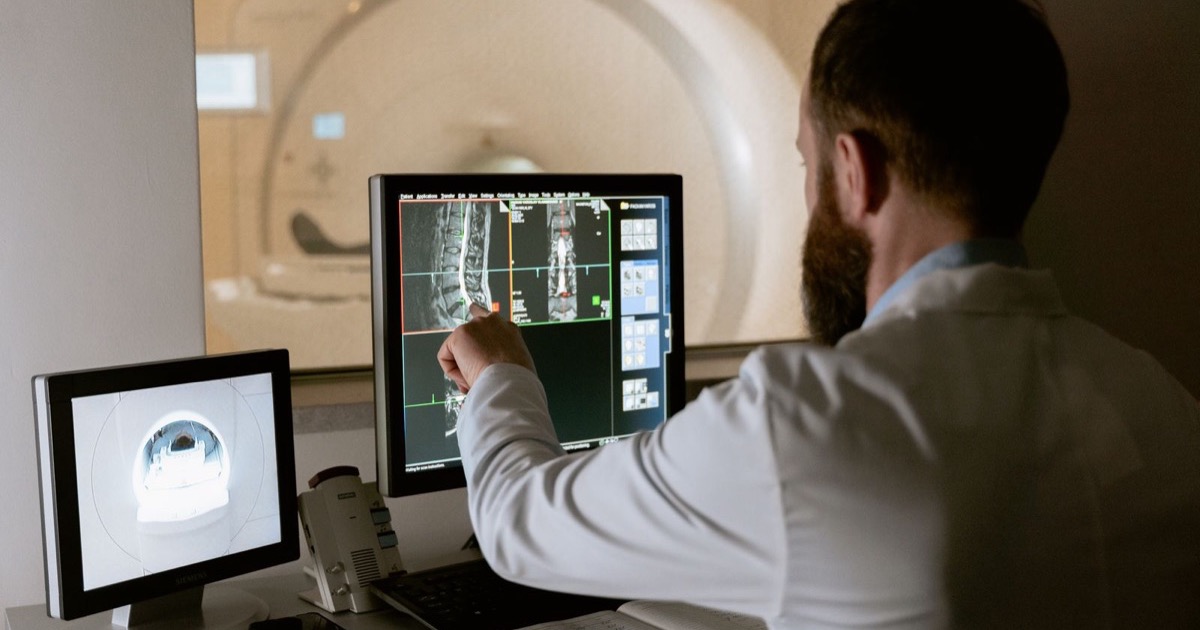
Gulf patients continue to access medical treatment in India in 2026. Flights are operational, India's e-Medical Visa process is unchanged, and Livance supports your care coordination.
Medical Travel from UAE and the Gulf to India in 2026: What Patients Need to Know
Gulf patients continue to access medical treatment in India in 2026. Flights between major Gulf airports and Indian cities are operational. India's e-Medical Visa process for Gulf country nationals is unchanged. The Government of India's Heal in India programme continues to connect overseas patients with accredited hospitals. If you are a patient from UAE, Qatar, Kuwait, Bahrain, Oman, or elsewhere in the Gulf researching treatment in India, this guide covers what is currently in place and what you need to arrange your care. Share your medical reports with our care team to begin.
Can Gulf Patients Still Travel to India for Medical Treatment in 2026?
Yes. For Gulf patients planning medical travel to India, the essential elements of the journey remain in place in 2026.
What Has Not Changed for Gulf Patients
- Flights: Flights from Gulf airports to major Indian cities continue to operate. Some routes have been adjusted to avoid certain airspace, which may affect journey duration, but connections between the Gulf and India are available. Confirm your specific route and schedule with your airline before booking.
- Visa: India's e-Medical Visa application process for Gulf country nationals has not changed. Qatar nationals are eligible for India's e-Medical Visa, subject to current rules. Nationals of other Gulf countries should confirm their current eligibility at the official India Visa portal.
- Heal in India: India's government-run Heal in India initiative remains active and operational in 2026, connecting overseas patients with accredited hospitals and doctors.
- Hospital international patient services: Major hospital groups operating in India, including Apollo, Medanta, and Fortis, continue to publish dedicated international patient programmes. Verify the specific facility and service availability when planning your care.
The regional situation that emerged in 2026 has primarily affected flight routes and journey times for some travellers. It has not changed the Indian healthcare system, hospital accreditation standards, specialist availability, or the administrative pathway for international patients seeking treatment in India.
Why Gulf Patients Choose India for Medical Care
India has been a preferred medical travel destination for Gulf patients for more than two decades. The combination of advanced medical expertise, modern hospital infrastructure, and cost advantages continues to attract patients from the Gulf Cooperation Council region and broader Middle East.
Treatments Gulf Patients Most Commonly Seek in India
Indian hospitals have experience treating Gulf patients across a range of specialties. Based on confirmed demand patterns from the Gulf corridor, the treatments most commonly sought in India by Gulf patients include:
- Cardiac surgery: coronary artery bypass, valve repair or replacement, angioplasty, and structural heart procedures
- Orthopaedic procedures: knee replacement, hip replacement, spinal surgery, and sports medicine interventions
- Cancer treatment: surgical oncology, chemotherapy, radiation therapy, and advanced oncology programmes
- Fertility treatment: IVF and related assisted reproductive procedures
Final treatment suitability and the recommended procedure depend on individual diagnosis and specialist review. Indian hospitals have experience treating Gulf patients across these specialties; suitability for any specific procedure depends on a case review by the treating specialist.
Hospital Standards in India
India has more than 1,299 NABH-accredited hospitals evaluated against more than 600 international safety parameters (NABH, 2026). Many hospitals additionally carry international accreditation. Gulf patients who have previously sought treatment in India have typically done so at large multi-specialty hospital groups with dedicated international patient departments.
Flights from the Gulf to India in 2026
Direct Flights from UAE, Qatar, Kuwait, Bahrain, and Oman
Flights between Gulf airports and major Indian cities are operating. Routes from Dubai International Airport, Abu Dhabi International Airport, Hamad International Airport in Doha, Kuwait International Airport, and Muscat International Airport connect to major Indian airports including:
- Indira Gandhi International Airport, Delhi
- Chhatrapati Shivaji Maharaj International Airport, Mumbai
- Kempegowda International Airport, Bangalore
- Chennai International Airport
Flight schedules change regularly. We recommend confirming your specific route, available connections, and current schedules directly with your airline or travel agent before finalising your travel dates.
What the Regional Airspace Situation Means for Travellers
Some flights operating between the Gulf and India have been adjusted to use routes that do not pass over Iranian airspace. This may increase total journey time on certain routes compared to earlier schedules. The practical impact for most Gulf patients travelling to India is a longer flight, not an unavailable route. Confirm your routing with your airline to understand the current schedule for your specific itinerary.
India's e-Medical Visa for Gulf Country Nationals
International patients from Gulf countries travelling to India for treatment typically apply for India's e-Medical Visa. The application is submitted online through the official India Visa portal.
Qatar Nationals and the e-Medical Visa
Qatar nationals are eligible to apply for India's e-Medical Visa, subject to current rules. The standard documentation requirements apply.
UAE, Bahrain, Kuwait, and Oman Nationals
Nationals of UAE, Bahrain, Kuwait, and Oman may be eligible for India's e-Medical Visa, subject to current Ministry of Home Affairs rules. Eligibility and documentation requirements should be verified at the official India Visa portal before applying.
For detailed guidance on the visa application process, visit our India e-Medical Visa information page.
Medical Attendant Visa for Family Members
Under standard rules, up to two attendants may accompany a patient to India on linked Medical Attendant Visas. Attendant visa applications are typically submitted alongside the patient's main e-Medical Visa application. Verify current rules at the official India Visa portal or Indian embassy at the time of application.
India e-Arrival Card (Mandatory Since October 2025)
India's digital e-Arrival Card has been mandatory for all foreign nationals, including Gulf country passport holders, since 1 October 2025. Paper disembarkation cards were permanently discontinued from 1 April 2026. The e-Arrival Card must be submitted online up to 72 hours before your flight arrives via the Bureau of Immigration portal at indianvisaonline.gov.in/earrival. The service is free.
Hospitals Treating Gulf Patients in India
Major hospital groups including Apollo, Medanta, and Fortis publish international patient programmes and have established experience treating patients from Gulf countries. These programmes typically include hospital appointment coordination, report review support, patient liaison services, and in some cases language support.
We recommend verifying the specific facility and services available when planning your care, as these vary by hospital and location. India has more than 1,299 NABH-accredited hospitals across the country, providing options for patients who need treatment in specific cities or specialties.
When selecting a hospital, consider the specialty most relevant to your treatment, the hospital's location in India relative to your arrival airport, and the availability of an international patient department that can support your administrative needs during your stay. You can browse hospital profiles at Livance hospitals directory.
Understanding Treatment Costs for Gulf Patients
Treatment costs in India vary depending on the specific procedure, hospital, doctor, case complexity, and length of stay. Gulf patients have historically found that treatment in India can be more affordable than equivalent care in Europe or North America, though individual cases differ.
How to Get a Cost Estimate
The most effective way to receive a cost estimate is to share your complete medical reports with a care coordinator. After reviewing your reports and the recommended treatment plan, the Livance team can provide an indicative cost range based on current hospital rates and your specific case requirements.
For a full overview of the UAE-India treatment corridor, including hospital matching, visa details, treatment specialties, and how to start, see the Livance guide to medical treatment in India for UAE patients.
Cost depends on diagnosis, hospital, doctor, treatment complexity, stay duration, and specialist review. Contact our care team to receive a personalised cost estimate.
Share your medical reports with our care team
The Heal in India Government Initiative
The Heal in India programme is a Government of India initiative designed to support international patients in accessing accredited healthcare in India. The programme connects overseas patients with hospitals and doctors across the country and is confirmed operational in 2026. Gulf patients can access information about the programme through the Heal in India portal.
How Livance Supports Gulf Patients
Livance is a medical travel coordination platform that helps patients from the Gulf and other international regions access treatment in India. Our care team can assist with:
- Reviewing your medical reports and identifying suitable hospitals and specialists for your condition
- Providing an indicative cost estimate based on your case after report review
- Supporting the documentation process for your visa application
- Coordinating hospital appointments and arrival logistics
- Providing care coordination support during your time in India
Livance does not provide direct medical care and does not make guarantees regarding treatment outcomes, doctor or hospital availability, or final pricing. Final treatment decisions are made by the treating specialist after reviewing your reports and completing an in-person consultation.
Share your medical reports with our care team to get started.
Frequently Asked Questions
Are flights from UAE and Gulf countries to India still operational in 2026?
Yes. Flights between major Gulf cities including Dubai, Abu Dhabi, Doha, Kuwait City, and Muscat, and major Indian airports including Delhi, Mumbai, Bangalore, and Chennai, continue to operate in 2026. Some routes have been adjusted to avoid Iranian airspace, which may add to flight duration on certain journeys. Confirm your specific route and schedule with your airline before booking.
Is the India e-Medical Visa process unchanged for Gulf patients in 2026?
The e-Medical Visa application process for Gulf country nationals has not changed. Qatar nationals are eligible for India's e-Medical Visa, subject to current rules. Nationals of UAE, Kuwait, Bahrain, and Oman should verify their current eligibility at the official India Visa portal before applying.
What treatments do Gulf patients most commonly seek in India?
Indian hospitals have experience treating Gulf patients across cardiac surgery, orthopaedic procedures, cancer treatment, and fertility treatment. Treatment suitability and hospital selection depend on the individual diagnosis and specialist review.
Can a family member accompany me from the Gulf to India for treatment?
Under standard rules, up to two attendants may accompany a patient on linked Medical Attendant Visas. Check current rules at the official India Visa portal at the time of application.
How much does medical treatment in India cost for Gulf patients?
Treatment cost depends on the diagnosis, procedure, hospital, doctor, treatment complexity, length of stay, and specialist review. Contact the Livance care team to receive a personalised cost estimate after sharing your medical reports.
What is India's e-Arrival Card and do Gulf patients need one?
India's digital e-Arrival Card has been mandatory for all foreign nationals, including Gulf country passport holders, since 1 October 2025. Paper disembarkation cards were permanently discontinued from 1 April 2026. Submit the e-Arrival Card up to 72 hours before your flight at indianvisaonline.gov.in/earrival. The service is free.
Medical Disclaimer: The information on this page is for general informational purposes only and does not constitute medical advice. Treatment suitability, costs, and outcomes depend on individual diagnosis and specialist review. Consult a qualified medical professional before making any health decisions.
Last updated: 2026-10-02 | Content reviewed for medical accuracy.
Ready to Start Your Medical Journey?
Get personalised treatment recommendations and cost estimates from our expert team. Contact us today for a free consultation.
Get Started