How International Patients Get a Second Opinion from Indian Specialists (2026): Step-by-Step Guide
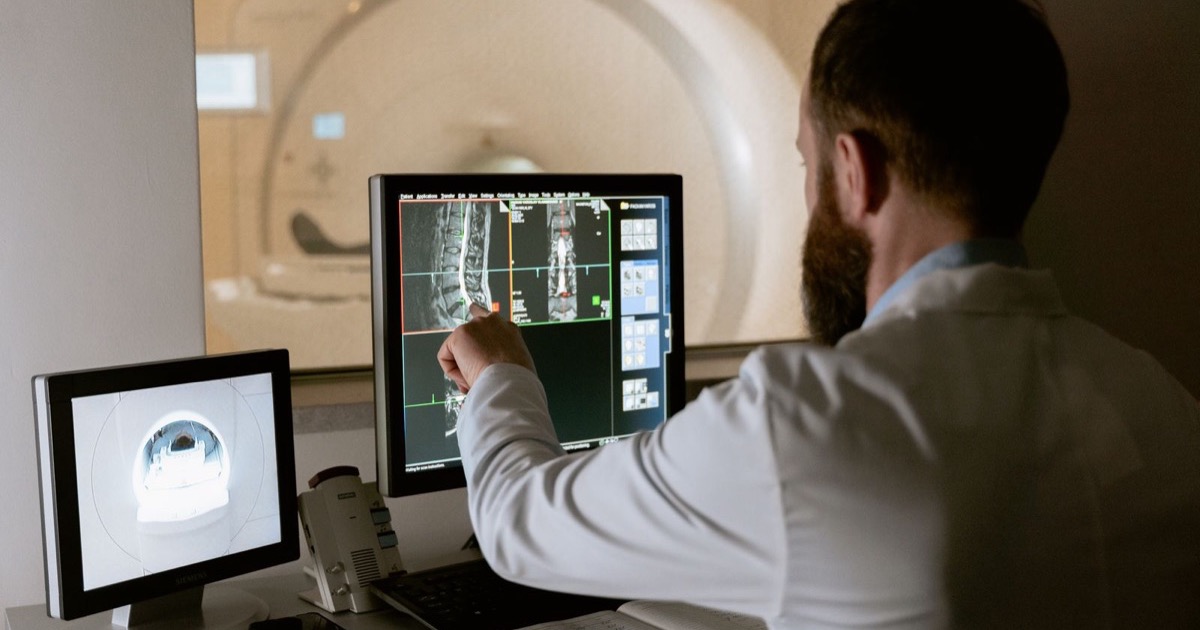
International patients can get a written second opinion from a qualified specialist in India without travelling. Learn the four-step process: prepare documents, submit via Livance, receive assessment, plan next steps.
How International Patients Get a Second Opinion from Indian Specialists (2026): Step-by-Step Guide
Last updated: 2026-10-09
International patients can get a second opinion from a qualified specialist in India by sharing their medical documents with Livance Health, an independent medical travel coordination service. The process involves four steps: prepare your medical documents, submit them via WhatsApp at +91 863-7735480 or the contact form, receive a written specialist assessment, and then decide on next steps for treatment planning. No travel to India is required for the initial opinion stage. This guide explains exactly what to prepare, how the Livance report-sharing flow works, and what to expect from the specialist review.
How to Get a Second Opinion from an Indian Specialist: 4 Steps
Step 1: Prepare Your Medical Documents
Before submitting to Livance, gather all relevant reports into one organised set. This typically includes radiology and imaging files (MRI, CT, X-ray, PET scan), pathology or biopsy reports, cardiac test results where applicable, previous surgical or discharge summaries, your current medications list, and any written treatment recommendation you are seeking a second view on. Where imaging is concerned, DICOM-format files from the imaging centre are preferable to printed or photographed scans, as these give the specialist the clearest clinical picture. A concise covering note stating the specific question you want answered helps the specialist focus the assessment.
Step 2: Submit Your Reports via Livance Health
Once your documents are ready, share them with the Livance care team via WhatsApp at +91 863-7735480 or through the contact form at livancehealth.com/contact. The Livance care team reviews the submission for completeness, identifies the appropriate specialist based on your diagnosis and the nature of the clinical question, and coordinates the referral to that specialist. If the submission is incomplete, the team will communicate specifically what additional documents are required before the case can be referred. You will receive an acknowledgement once your submission is received.
Step 3: Receive Your Specialist Response
The specialist's written assessment typically covers an independent review of the diagnosis based on your provided reports, a view on the proposed treatment plan or surgical recommendation, any additional investigations the specialist would suggest before proceeding, and, where relevant, information on alternative treatment approaches. Response timing depends on case complexity, report completeness, and specialist availability; confirm with the Livance care team for an indication based on your specific case. The response is yours to use as you see fit, whether to discuss with your home-country doctor, inform your treatment decision, or plan next steps.
Step 4: Proceed to Treatment Planning
After receiving the specialist response, you have several options. If the opinion confirms your existing plan, you can proceed with greater confidence. If it introduces a different perspective, you can discuss that with your treating team at home or explore the alternative approach further through Livance. If you choose to proceed with treatment in India, Livance can continue to coordinate the full treatment pathway, including hospital confirmation, cost estimate, medical visa and travel support, and post-treatment follow-up. There is no obligation to travel to India following a remote second opinion.
Why India for a Second Opinion?
India's major tertiary hospitals treat patient volumes that are among the largest in the world across several specialist categories. Senior consultants at these centres hold postgraduate qualifications and have often completed advanced fellowships in the UK, USA, or Europe, bringing internationally recognised training combined with high local case volumes.
India has 1,299 NABH-accredited hospitals evaluated against 600 or more safety parameters (NABH, 2026). Many also carry JCI (Joint Commission International) accreditation; verify accreditation status with the specific hospital before committing to treatment or travel.
The breadth of specialist depth is particularly relevant for second opinion purposes:
Oncology: India's major cancer centres manage high volumes of solid tumour, haematological, and paediatric cancer cases. Multidisciplinary tumour boards review complex cases routinely. Conditions considered rare in smaller markets may be seen regularly at these centres, which can be valuable when seeking a second view on staging, treatment sequencing, or protocol choice. See Livance's oncology treatment in India section for specialist listings.
Cardiac care: Experienced cardiac surgeons and interventional cardiologists at India's specialist heart institutes cover bypass surgery, valve replacement, structural heart disease, and cardiac electrophysiology. A remote second opinion from a cardiac specialist can be particularly useful before committing to a surgical versus medical management decision.
Orthopaedics: India's orthopaedic specialists cover joint replacement, spinal surgery, sports injury, and revision procedures. For patients evaluating a joint replacement recommendation or a proposed spinal fusion, a remote specialist view from an experienced orthopaedic surgeon can provide an independent assessment of the surgical indication. Explore orthopaedic treatment in India for more.
Neurology and neurosurgery: Brain tumour management, complex spine surgery, and movement disorder cases are areas where a second opinion from a specialist with high case volume may offer a meaningfully different perspective.
Who Should Consider a Second Opinion from India?
A remote second opinion from an Indian specialist may benefit patients in a range of situations. The following scenarios are not exhaustive, and individual suitability depends on the patient's specific circumstances:
- Confirmed diagnosis before committing to surgery: Patients who have received a clear diagnosis and a surgical recommendation may benefit from an independent specialist view before proceeding, particularly for high-consequence procedures such as joint replacement, cardiac surgery, or cancer surgery.
- Suspected misdiagnosis or uncertainty about the diagnosis: Where a patient or their family has doubts about the diagnosis, a second specialist assessment based on the same reports can provide clarity or identify areas requiring further investigation.
- Rare or complex conditions: Patients with rare cancers, complex transplant requirements, or unusual presentations may find that high-volume specialist centres in India have greater familiarity with the condition.
- Exploring treatment options or alternatives: Where multiple treatment pathways are available, a second opinion can outline the relative merits of each approach from a specialist with a different clinical background.
- Cancer staging confirmation: Before beginning a chemotherapy or radiation protocol, patients may want an independent view on staging accuracy, particularly where the staging result will determine treatment intensity.
- Orthopaedic surgery evaluation: Before committing to a major joint replacement or spinal surgery, an independent specialist assessment of whether surgery is indicated and what approach is most appropriate can be valuable.
- Cost comparison for planned treatment: Patients in healthcare markets with high private treatment costs could find it useful to understand what the equivalent treatment in India might involve, based on the specialist's assessment.
Second Opinion for Gulf and International Patients
Patients from the UAE, Qatar, and across the Gulf region frequently seek specialist opinions from Indian oncologists, cardiac surgeons, and orthopaedic specialists before committing to treatment locally or internationally. India's specialist centres share strong historical ties with Gulf healthcare systems, and many Indian consultants have clinical experience in Gulf hospitals as well as major Indian institutions.
For Gulf patients, the Livance report-sharing flow is the entry point: share your reports via WhatsApp at +91 863-7735480 or through the contact form, and the Livance care team will review your case and identify an appropriate specialist. No travel is required for the initial opinion stage. Gulf patients who proceed to treatment in India can also access Livance's medical visa and travel support coordination. See Livance's full treatments directory for specialties available through the platform.
What Documents to Share for a Second Opinion
Providing complete, well-organised documents is the most important factor in receiving a useful specialist assessment. Documents that are typically required or helpful include:
- Radiology and imaging reports: MRI, CT, X-ray, PET scan, and ultrasound reports. Where possible, share original DICOM files from the imaging centre rather than printed or photographed images. Include the radiologist's written report alongside the images.
- Pathology and biopsy reports (for cancer cases): Histopathology reports, biopsy results, tumour marker panels, and molecular or genetic testing where performed (for example, BRCA, HER2, EGFR, PD-L1). Slide images in digital format are helpful for oncology cases where tissue review may be required.
- Cardiac test reports: ECG results, echocardiogram reports, stress test reports, coronary angiogram reports, and any cardiac MRI or CT coronary angiography results. Include the cardiologist's most recent clinical notes.
- Previous surgical or discharge summaries: Operative notes, anaesthesia records, post-operative instructions, and the discharge summary from any relevant procedure. These help the specialist understand the current clinical situation in full context.
- Current medications list: A complete list of current medications, doses, and known allergies. Some medications are relevant to treatment planning decisions.
- GP or referring doctor summary: A brief clinical summary or referral letter from your treating or referring doctor, including the specific clinical question or concern that prompted the second opinion request.
What to Expect from a Specialist Review
It is important to understand what a remote specialist review via Livance can and cannot provide.
What the review can provide:
- An indicative clinical opinion on the diagnosis, treatment plan, or surgical recommendation based on the shared reports
- A view on alternative treatment approaches or additional investigations that may be worth considering
- An indicative cost estimate for treatment in India, where available and appropriate after full case review
- A basis for an informed conversation with your home-country treating doctor
What the review is not:
- It is not a full clinical consultation and cannot replace an in-person specialist assessment
- It is not a diagnosis; the specialist is reviewing existing clinical information, not conducting a new examination
- It is not a guarantee of outcome, cost, or specific treatment approach
- It is not a substitute for a formal in-person evaluation before any treatment decision is finalised
Livance strongly recommends following up with a treating specialist in person before committing to any treatment plan, whether in India or elsewhere. The remote specialist review is a tool to inform your decision, not to replace the clinical relationship required for safe treatment.
Frequently Asked Questions
How does a second opinion from an Indian specialist work when I'm overseas?
You do not need to travel to India for an initial second opinion. Share your medical documents, including imaging, pathology, and clinical notes, with the Livance care team via WhatsApp at +91 863-7735480 or through the contact form at livancehealth.com/contact. Livance reviews the submission, identifies the appropriate specialist, and coordinates a written specialist assessment. The response is provided in writing and can be shared with your home-country treating doctor or used to inform your treatment decision.
What medical documents do I need to get a second opinion from India?
The documents typically required include radiology and imaging reports (MRI, CT, X-ray, PET scan), pathology or biopsy results, cardiac test reports where relevant (ECG, echo, stress test, angiogram), previous surgical or discharge summaries, a current medications list, and a GP or referring doctor's summary. For oncology cases, molecular or genetic testing results such as BRCA or HER2 status are often important. Where imaging is available in DICOM format from the imaging centre, this is preferable to printed or photographed scans.
How long does it take to get a second opinion from a specialist in India?
Timing depends on case complexity, report completeness, and specialist availability. Cases with complete, high-quality documentation tend to progress more quickly than those requiring additional documents or clarification. Confirm with the Livance care team for an indication based on your specific case and current capacity.
Can I get a second opinion for cancer treatment from India?
Yes. Livance coordinates second opinion requests for oncology cases including solid tumour diagnosis and staging, chemotherapy protocol review, surgical versus non-surgical management decisions, and rare or complex cancer presentations. India's major cancer centres manage high volumes of cases across a wide range of cancer types, and multidisciplinary tumour board review is standard practice at leading institutions. Share your pathology, imaging, and treatment recommendation via the Livance report-sharing flow to request an oncology second opinion.
How much does a second opinion from India cost?
The cost of a second opinion review through Livance depends on the specialty, the complexity of the case, and the hospital or specialist involved. Contact the Livance care team to ask about current arrangements for your specific situation.
Get Started with Livance
If you are an international patient exploring a second opinion from an Indian specialist, the first step is to share your reports with the Livance care team. The team will review your documents, confirm whether the submission is complete, and identify the appropriate specialist for your case.
Share your reports via WhatsApp at +91 863-7735480 or through the contact form at livancehealth.com/contact. There is no obligation. The team will contact you to confirm receipt and advise on next steps.
For Gulf patients and those considering treatment in India following the second opinion, visit the medical visa and travel support page for guidance on the India e-Medical Visa process and travel coordination.
Explore Livance's treatments directory to browse available specialties and hospital options in India.
Medical Disclaimer
The information on this page is for general informational purposes only and does not constitute medical advice. A remote specialist assessment is not a substitute for an in-person consultation or diagnosis by a qualified medical professional. Treatment suitability, costs, and outcomes depend on individual diagnosis and evaluation by a qualified specialist. Doctor affiliations, hospital accreditations, and service availability can change; verify all details before committing to treatment or travel. Consult a qualified medical professional before making any health decisions.
Last updated: 2026-10-09 | Livance Health
Ready to Start Your Medical Journey?
Get personalised treatment recommendations and cost estimates from our expert team. Contact us today for a free consultation.
Get Started